

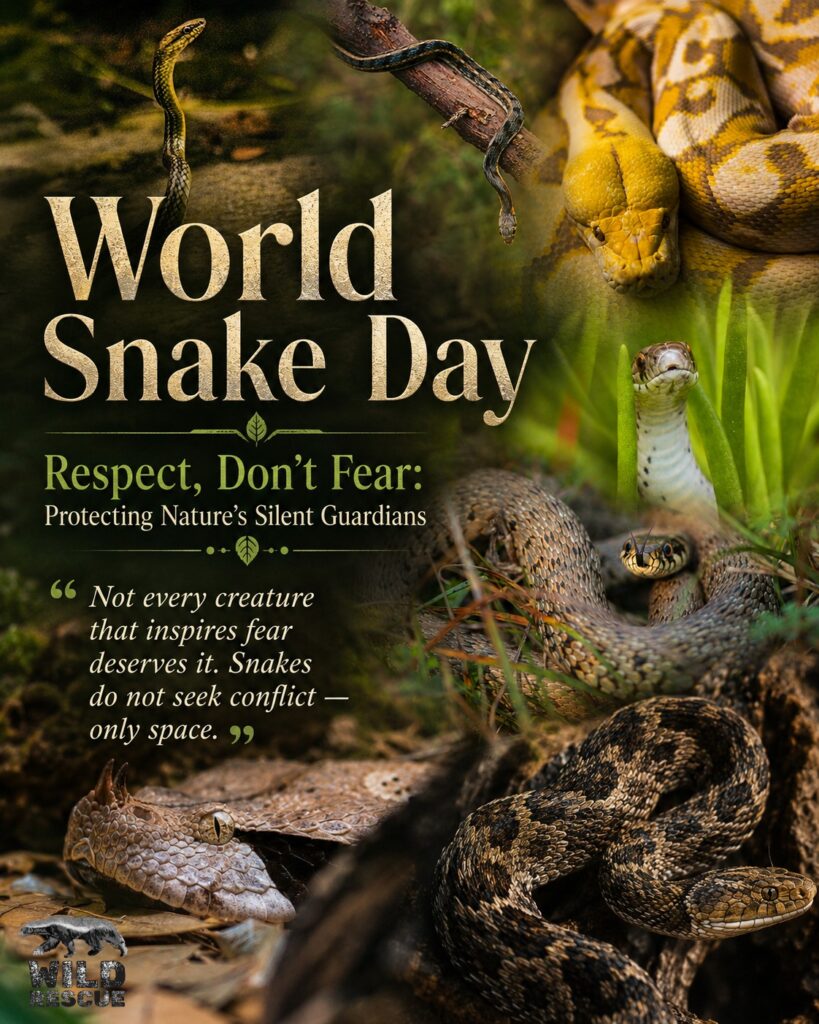
“Not every creature that inspires fear deserves it. Snakes do not seek conflict – only space.”
Every year on 16 July, World Snake Day offers an opportunity to celebrate one of nature’s most misunderstood animals. Few creatures evoke such strong emotions – and violent reactions – as snakes. For some, the mere sight of one (even a harmless species) is enough to bring on frightful hysteria. Throughout history they have been portrayed as evil creatures that should be destroyed, but this reputation is largely undeserved. In reality, snakes are shy, solitary animals that play an indispensable role in healthy ecosystems and rarely seek encounters with people. World Snake Day challenges negative precepts and promotes their conservation.
A snake’s first instinct is almost always to escape. Bites usually occur only when a snake feels cornered, threatened, or is accidentally stepped on or handled. This makes snakes what conservationists often call a conflict species: animals that come into friction with people simply because they share the same spaces. Like sharks, spiders, bats and predators such as leopards, snakes often suffer because of our perceptions rather than their behaviour. Human-snake conflict occurs as urban expansion overlaps with natural habitats, driving snakes into settlements seeking food (like rodents) or shelter. The conflict spikes during wet seasons and mating periods – which can result in snakebites and / or the intentional killing of the snakes. Countless snakes are killed each year simply because they are found in gardens, homes or farms, even when they pose little or no immediate danger.
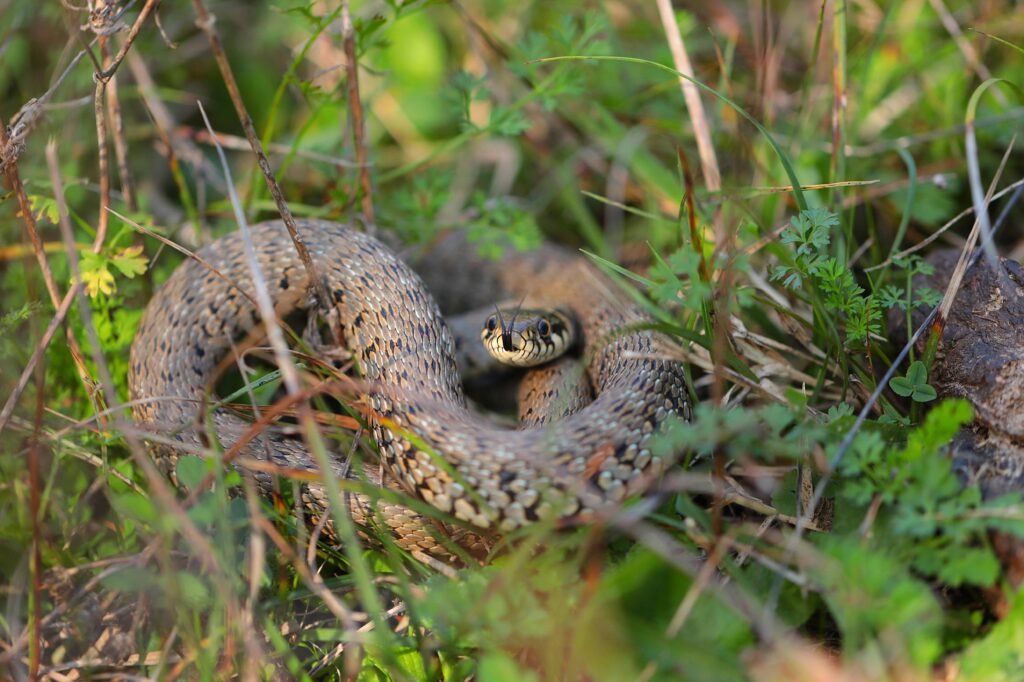
A reptile in a pigeon hole: ‘If it’d been a snake it would have bit you.’ ‘A snake in the grass.’ ‘Slippery as a snake.’ ‘Snake eyes.’ ‘Venomous words.’ ‘A snake pit.’ ‘Snake oil salesman.’ ‘Forked tongue.’ And ‘coiled with anger.’ Ophidiophobia – the extreme and irrational fear of snakes – has inspired idioms and metaphors with negative connotations across cultures for thousands of years. Our language drips with serpentine references to danger, treachery, deviousness and bad luck – clichéd expressions reflecting our undeserved lizard-brained fears rather than the reality of these ecologically vital yet frequently pilloried creatures; thereby priming impressionable minds for terror and distrust. Teach a child fear, and the wild becomes something to avoid. Teach them wonder, and it becomes something to protect. Snakes are feared not because they are cruel, but because they are misunderstood. A snake is not out to get you and does not want to share your home; it simply wants to find its own.
The length of peril. Mosquitoes are the world’s deadliest animals, causing up to 1,000,000 human deaths annually. In second place are humans themselves, responsible for roughly up to 500,000 homicide-related deaths each year. Dogs cause around 59,000 deaths, mostly through the transmission of rabies. Freshwater snails kill up to 200,000 people a year by spreading the parasitic disease Schistosomiasis. Crocodiles are responsible for around 1,000 annual fatalities while elephants & hippos service the grim reaper with about 500 souls. Human beings generally do not quiver, shriek and run in fear when seeing mosquitoes, other humans (in general), dogs or snails. A crocodile, elephant, hippo or for that matter a lion in your vicinity might trigger a flight response; but for most people the only thing ‘clicking in’ is the instinct to take a wide-angle photograph or a selfie. While malaria deaths en masse do not make news headlines – the rare deadly encounter with a stomping pachyderm invariably does. Dogs are still cute – even though they can give you rabies. Elephants are still majestic – even though they could gore and trample you into a red puddle on a whim. But woe onto the snakes of the world (on balance, not so cute or majestic), instantly greeted with cold-blooded horror and condemnation for causing a relatively modest 81,000-138,000 human deaths a year globally – mainly due to venomous bites, which are often avoidable.
Snakes are often misidentified and wrongly targeted for extermination: for example the rhombic egg eater snake (or common egg eater, endemic to Africa) is non-venomous, almost toothless and harmless to people – yet its scale colours and patterns visually mimic those of vipers in order to ward off natural threats. Of the roughly 3,900 known snake species worldwide, about 600 are considered venomous. This means 85 percent are non-venomous or harmless to humans. Ostensibly we do not distribute our anxieties and our scorn fairly or proportionately. Cardiovascular diseases, caused by atherosclerosis (a buildup of fatty, cholesterol-rich plaques on the inner artery walls) are the leading cause of death worldwide, claiming almost 20 million lives every year. At an average of 1400-1500 percent more than snake-related deaths, perhaps we should shift some of our serpentine anxiety and panic (that we evolved with) over to our artery-clogging fast-food joints (that we didn’t evolve with). Swiss psychoanalyst Carl Jung said “a serpent is never just a serpent,” but if your nightmares are haunted by “death in tubular form,” then maybe it should take the shape of a hotdog instead.
Snakes on the brain. For all the misdirected loathing towards these so-called “danger noodles / muder spaghetti” they’ve generated an extraordinary level of fascination as an animal species with thousands of active social media pages dedicated to them. From the candidly-named Snakes of Southern Africa and The venomous snakes and other reptiles of Africa, to the politically fraught Snake Lives Matter, to the otherwise provocatively-titled OnlyFangs – these groups individually maintain up to hundreds of thousands of followers. Snakes deliver nearly 600 million search results on Google and 70 million on image search, far outperforming elephants, crocodiles and mosquitoes for related queries. From the popular ancient Egyptian Ouroboros “tail-eating serpent” symbol of infinity and renewal (as seen on tattoos and jewellery everywhere) to the Rod of Asclepius (international symbol of medicine and the official emblem of the World Health Organisation) to House Slytherin in Harry Potter, to Nicky Minaj’s 2014 hit song Anaconda, to the 1997 cinematic cringe also named Anaconda; we’re not likely going to uncoil from this undulating topic any time soon, while new snake species are still being discovered.
In fiction, heroic figures clothed in snakeskin are hard to find. From the Egyptian snake god Apophis, representing chaos and darkness, to the Greek snake-haired Medusa petrifying anyone to stone – to Walt Disney’s rendition of Kaa the villainous python in the Jungle book – to the biblical snake of forbidden knowledge, fruity temptation and all-round skullduggery – in our mythmaking and storytelling snakes tend to get reflexively vilified. Flipping the script, Gary De’Snake, a viper from Zootopia 2, is an animated character falsely suspected of wickedness and later exonerated in the plot – an exception ridiculing the stereotypic rule. And yet, for all our primordial dread codified in our stories, the illegal snake trade is a highly lucrative component of the global black market, driven by a multibillion-dollar demand for exotic pets, luxury fashion goods (such as snake skins) and traditional medicine – with South Africa’s native reptiles being targeted for illegal export due to a lack of international protection.
The Western Cape is internationally recognised for its extraordinary biodiversity. While the region is famous for its spectacular fynbos, colourful proteas and remarkable birdlife, it is also home to an incredible diversity of reptiles, including exactly 41 species of snakes – 19 of which are completely harmless and only 6 to 8 which are considered venomous and dangerous to humans. From the harmless Brown House Snake to the iconic Cape Cobra, to the docile Boomslang and the masterfully camouflaged Puff Adder; each species has evolved to occupy its own unique niche within the ecosystem.
Snakes are crucial mesopredators – animals that occupy a mid-ranking level in a food web – by hunting small mammals, insects, and amphibians, they provide natural pest control, prevent crop damage, and curb the spread of illnesses caused by parasites, viruses, or bacteria transmitted by rodents in particular. Snakes are nature’s silent pest controllers. A single snake can consume dozens of rodents every year, helping keep populations of rats and mice in check. This benefits farmers by reducing crop damage, and protects food stores from contamination. Without snakes, rodent populations could increase rapidly, creating problems for both people and agriculture. Snakes prey on rodents, frogs, lizards and insects, while providing food for other remarkable wildlife including secretary birds, snake eagles, jackal buzzards, mongooses, honey badgers and monitor lizards. Every species is connected. Choosing relocation instead of killing isn’t simply an act of compassion – it is an investment in the health of our ecosystems.
Many common myths about snakes simply are not true. Snakes do not chase people. They do not attack out of revenge. They do not remember human faces or deliberately seek retaliation after being disturbed. They are not slimy – their scales are dry and smooth. They do not drink milk from cows, nor do they hypnotise their prey. Snakes rely on remarkable adaptations that have helped them survive since the Cretaceous Period, over 100 million years ago. They “taste” the air with their forked tongues, detecting scent particles and delivering them to a specialised sensory organ in the roof of the mouth. Some species can sense body heat with extraordinary precision, allowing them to locate prey even in darkness. Others are expert climbers, swimmers or burrowers.
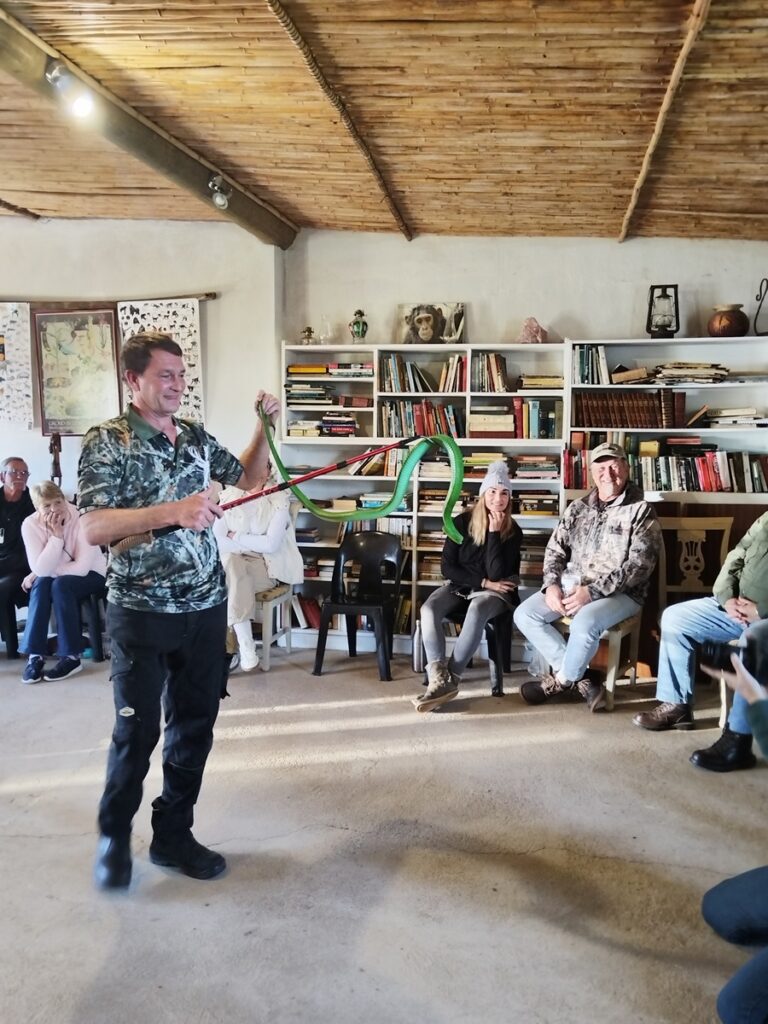
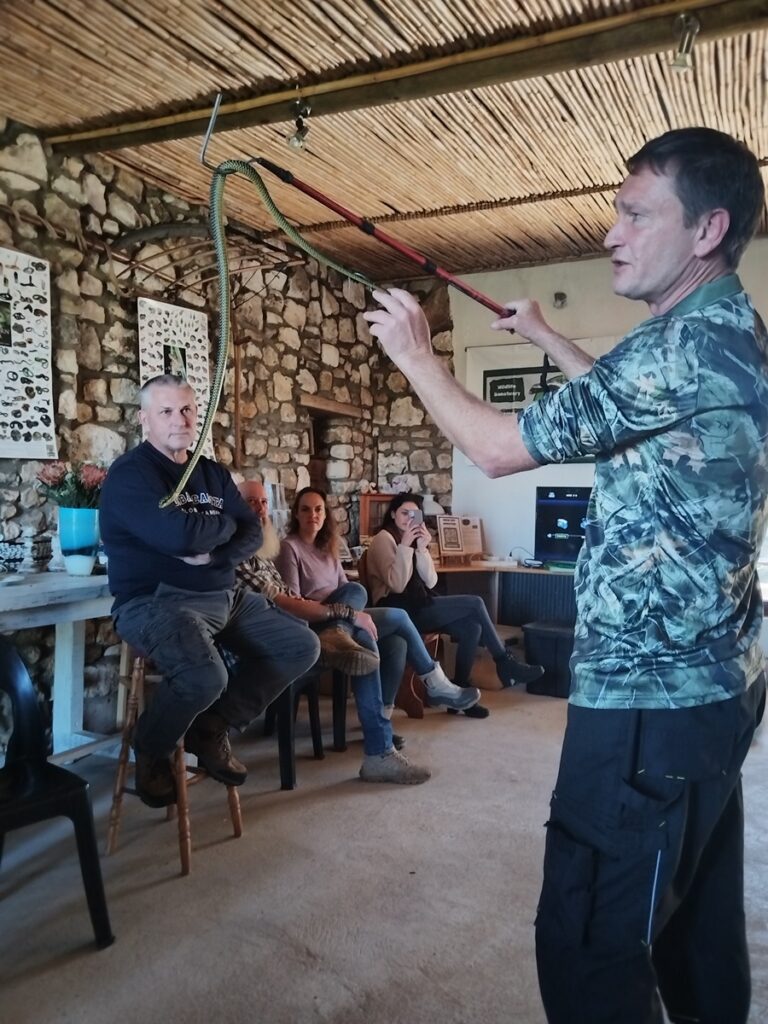
Fortunately, attitudes are beginning to change. Across South Africa, trained snake rescuers safely remove snakes from homes and properties every day. Instead of reaching for a shovel, homeowners can call qualified snake handlers who relocate the animal to suitable natural habitat. This simple decision protects both people and wildlife and recognises that snakes deserve a chance to continue fulfilling their role in nature. The African Snakebite Institute has a free app that offers first aid information, snake identification features, snake removals information, free snake posters, and more – as well as various free informational booklets. Snake handling courses have risen in popularity, with instructors such as veteran herpetologist Heinrich Ninaber teaching snake awareness and safe relocation. A recent snake handling course held by him in early July at the Wild Rescue nature reserve in the Southern Cape was hastily sold out, with another such event on offer around October to November.
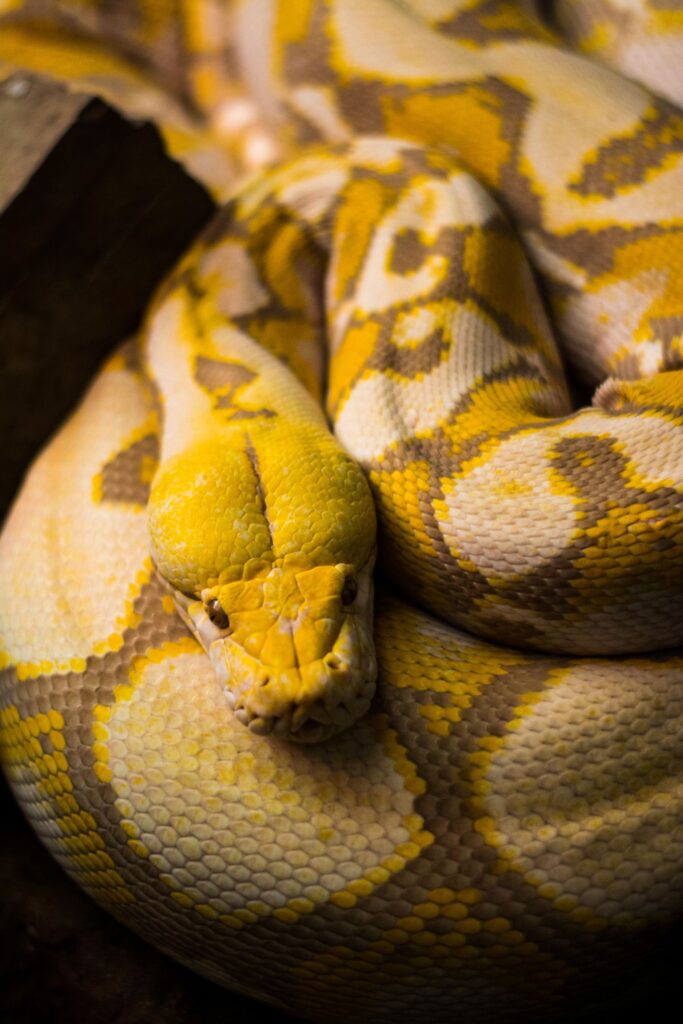
The challenge is no longer how to avoid these encounters – it is how to respond to them responsibly. Learning about our local snakes helps replace fear with understanding. Knowing which species are harmless, recognising that snakes prefer to avoid confrontation, and knowing that trained professionals can safely relocate them all help foster peaceful coexistence. Far from being the villains of our imagination, snakes are indicators of healthy ecosystems. Their presence tells us that there is still enough natural habitat to support the complex web of fauna and flora. World Snake Day is an opportunity to celebrate these remarkable reptiles for what they truly are: quiet custodians of ecological balance that ask for very little from us beyond respect and space.
Says Gill Simpson, executive director of Wild Rescue, “Snakes are not villains in nature’s story – they are editors, quietly keeping ecosystems in balance. The healthiest ecosystems are often those where snakes still thrive. The next time you see a snake crossing a trail or resting quietly in your garden, remember that you are looking at an animal that has been part of Africa’s landscapes for millions of years, which is not our enemy. This World Snake Day, let’s replace fear with knowledge, conflict with coexistence, and persecution with protection. The more we learn about wildlife, the less there is to fear.”