

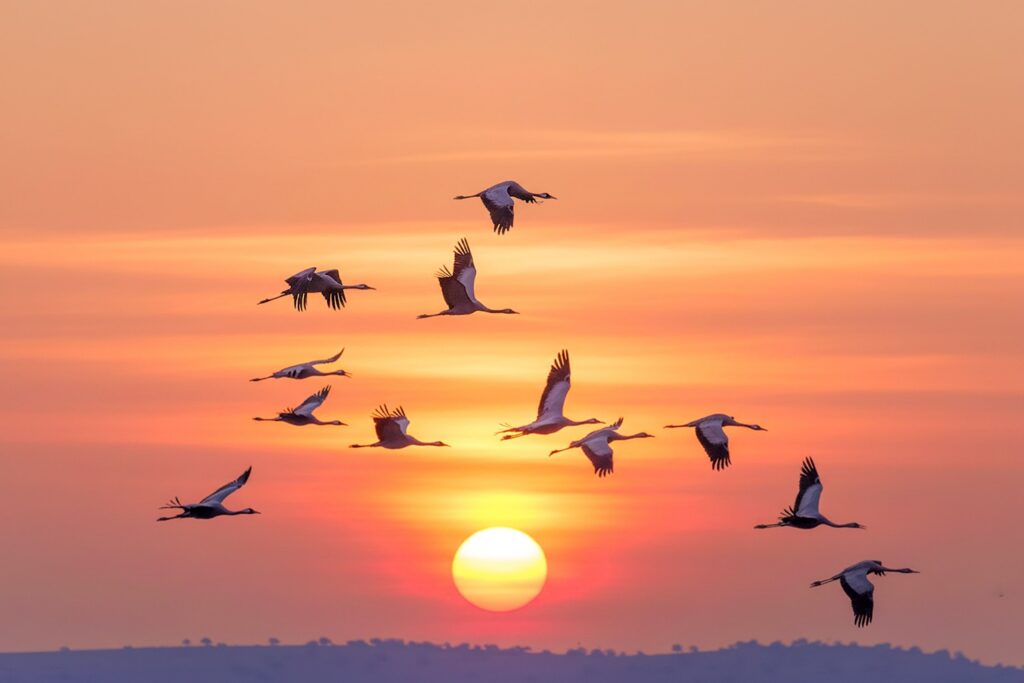
Every year, billions of birds take to the air. They cross countries, continents and oceans, following ancient migration routes between breeding grounds, feeding areas and wintering sites. Some travel thousands of kilometres, navigating an intricate network of wetlands, coastlines, grasslands, forests and other habitats along the way. Their journeys are one of nature’s great spectacles, but they are also becoming increasingly precarious.
The newly released State of the World’s Birds 2026, published by BirdLife International, provides one of the clearest assessments yet of the condition of migratory birds worldwide. Its findings are sobering: 45 percent of migratory bird species are experiencing population declines, while 11 percent are threatened with extinction. Only 14 percent are showing increasing population trends, while the trend for another 11 percent remains unknown.

The report is the first edition of ‘State of the World’s Birds’ to focus specifically on migratory species, but its message extends far beyond birds.
From the report’s Executive summary, “Birds are powerful indicators of environmental health, and are better studied than any comparable group of organisms. This wealth of information enables a detailed assessment of the status of migratory birds across the world’s terrestrial and marine flyways. Birds provide both a warning and a source of hope. They demonstrate the scale of the biodiversity crisis but also show that conservation works. Yet current efforts remain insufficient.”
A journey with no safe destination
One of the greatest challenges facing migratory species is that protecting one part of their range is rarely enough. A bird can breed in one country, stop to feed in several others and spend the winter thousands of kilometres away. If an important wetland disappears along the route, or a coastal feeding area is degraded, the consequences can be felt across an entire flyway.
Yet the conservation system remains heavily fragmented. According to the report, only around 9 percent of migratory bird species currently have adequate protection across their full annual cycle, compared with 45 percent of non-migratory species. An assessment of 1,099 Key Biodiversity Areas important to migratory birds found that 58 percent were in poor or very poor condition. In other words, we may protect the bird in one place while failing to protect the ecological network it needs to survive.
This is particularly significant in Africa, where enormous numbers of migratory birds arrive from Europe and Asia each year. Wetlands, estuaries, grasslands and coastal ecosystems across the continent form critical links in international flyways. What happens in one country can therefore have consequences far beyond its borders.
“The findings are alarming. One in nine migratory bird species is threatened with extinction, and seven species are confirmed or suspected to have been lost in the last 150 years. The official announcement in 2025 of the extinction of the Slender-billed Curlew Numenius tenuirostris marks the first global bird extinction in mainland Eurasia and Africa in recent centuries. Many formerly common species now have depleted populations, with 45 percent of migratory species in decline. Seabirds and shorebirds are faring particularly poorly. Furthermore, the networks of habitats on which migratory birds depend are becoming increasingly degraded and fragmented, including the loss of intertidal wetlands along the East Asian-Australasian Flyway,” notes the Executive summary.
Multiple pressures, one declining system
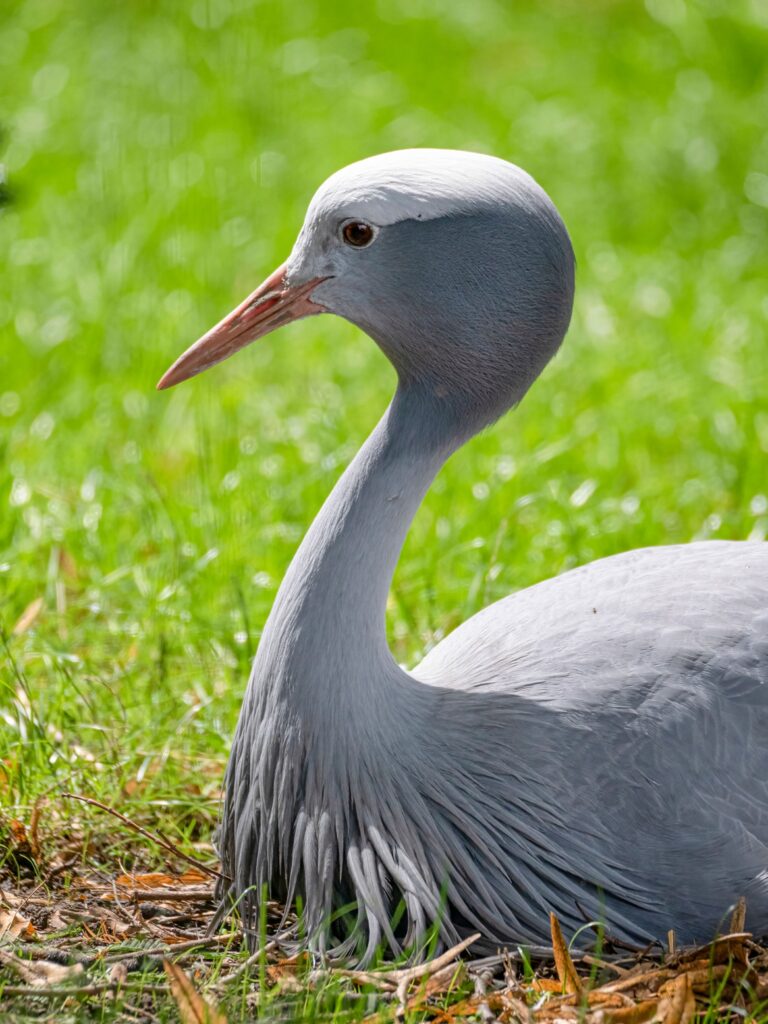
Migratory birds are exposed to many of the same pressures driving biodiversity loss more broadly. The report identifies invasive species, agricultural expansion, climate change, residential and commercial development and hunting among the major threats. Seabirds and shorebirds are particularly vulnerable, while species dependent on marine environments, forests and coastal wetlands are also increasingly threatened.
Habitat loss and degradation are especially important because migration depends on a chain of suitable places. A bird does not simply need somewhere to breed: it needs somewhere to rest, somewhere to feed, somewhere to shelter, somewhere to survive extreme weather, and it needs those places to remain available at the right time of year.
Changing temperatures and rainfall can alter the timing of migration, flowering, insect emergence and food availability. If different parts of an ecological system respond at different rates, the carefully synchronised relationships on which migratory species depend (“Phenology” and / or “Trophic synchrony”) can begin to break down. The result is a problem that cannot be solved by focusing on a single species or a single protected area.
When “common” isn’t necessarily a good metric
Another important lesson is that abundance can sometimes disguise decline. A species may still appear common along a familiar coastline or wetland while its overall population has been falling for decades.
The report points to the reassessment of more than 100 North American shorebird species following evidence of steep population declines. Nine species were subsequently reclassified from “least concern” to “vulnerable”, while 16 were elevated to “near threatened”. Some of these birds remain numerous and can still be encountered relatively easily, but long-term monitoring revealed substantial declines in their global populations.
Conservation cannot simply ask whether a species still exists or whether there are still plenty of individuals left. It must also ask what is happening to the population, where the losses are occurring, what is driving them, and whether the ecological system supporting the species remains intact.
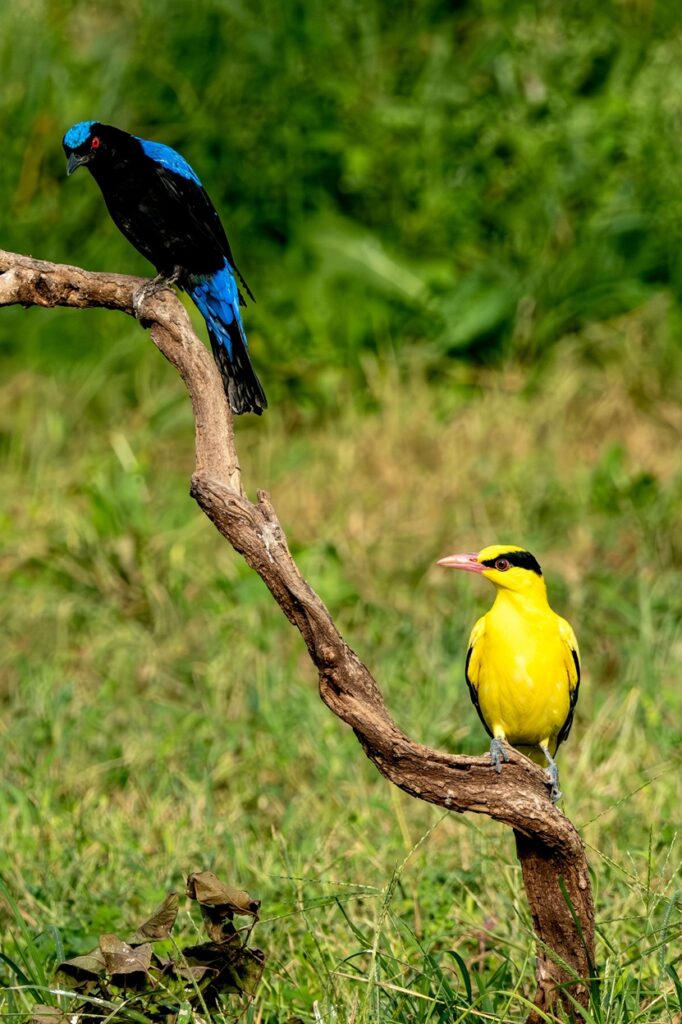
The extinction of the slender-billed curlew is a stark reminder of what is at stake. The species was officially declared extinct by the IUCN in 2025, having last been recorded in Morocco in 1995. Seven other migratory bird species are also confirmed or suspected to have gone extinct over the past 150 years.
But there is Hope for the World’s Birds
There are reasons for hope – and some of the strongest come from places where conservation has been coordinated across borders and focused on the ecological systems that species actually need.
The launch of the report coincided with the signing of the Nairobi Flyways Declaration, in which governments, conservation organisations and other stakeholders committed to protecting important migratory routes. New funding commitments are also emerging. Among them is a USD $3 billion commitment from the Asian Development Bank toward wetland protection in the East Asian-Australasian Flyway.
There are also tangible examples of recovery. The Egyptian vulture population in the Balkans was once facing imminent extinction. An international conservation effort involving multiple countries has helped reverse that decline, providing an example of what can happen when conservation is organised at the scale of the ecosystem and flyway rather than around political boundaries.
That is perhaps the most important message in the report: decline is not inevitable, but reversing it requires more than protecting individual animals.
“Few conservation challenges illustrate the value of collaboration more clearly than migratory bird conservation, where coordinated action across flyways can achieve impacts far greater than isolated efforts within individual sites or countries. Birds provide both a warning and a source of hope. They demonstrate the scale of the biodiversity crisis but also show that conservation works. Yet current efforts remain insufficient. Since the adoption of the Kunming-Montreal Global Biodiversity Framework in 2022, progress towards its goals and targets has remained far too slow. Urgent action is needed to scale up conservation for migratory birds, protect the natural world and secure a sustainable future for people and the planet,” says the report.
Youth birding today is experiencing a massive boom, driven by teenagers and Gen Z turning to birding as a trendy, low-stress escape from digital media. Once stereotyped as a hobby for older generations, recent data highlights it as the second-fastest growing hobby for Gen Z, with youth engagement reaching unprecedented levels. With such strong interest from the younger demographic, conservation efforts for birds show the promise of an enduring future.

Protecting the Connections
Migratory birds force us to think differently about conservation. They demonstrate that biodiversity does not exist neatly within national borders, protected-area boundaries or administrative categories.
Says Gill Simpson, founder and director of the Wild Rescue nature reserve, “Birds, in their flourishing and decline, are among nature’s great indicators of ecosystem health. A wetland thousands of kilometres away can be just as important to a bird as the landscape where it breeds. Protecting wetlands, forests, grasslands and coastal ecosystems therefore does more than safeguard birds. It protects ecological functions, supports livelihoods and contributes to climate resilience and human wellbeing. This is why migratory birds are such powerful gauges: they connect ecosystems – and, in doing so, reveal whether those ecosystems are still functioning as vital points on an ancient map of exchanges of life between countries, continents and hemispheres. Their decline is a warning, but their recovery is a reminder that conservation can work.”
The challenge is to move from isolated interventions to connected, coordinated protection across entire landscapes and flyways, because the future of a migratory bird may depend on decisions made thousands of kilometres away.
Ultimately, the future of the birds and the future of the ecosystems they depend on are the same conservation story.